

The best summer camp days have a rhythm kids can feel. They arrive a little curious, warm up with new friends, try something hard, laugh through a game, hear words that build them up, and head home tired in the best way.
So, what happens at summer sports camp from the first welcome to the final goodbye? At Run To Win Camp, a typical day is designed to help campers grow in skill, confidence, character, teamwork, and faith. Here is an inside look at what campers experience from start to finish.

Camp begins with a welcome that sets the tone
Arrival is one of the most important parts of the day. It may seem simple, but the way a camper is greeted can shape how they feel about everything that follows.
At Run To Win Camp, the goal is for every child to feel noticed right away. Coaches welcome campers by name when possible, help them find where to go, and create an atmosphere that feels organized without feeling stiff. For a child who is excited, that welcome adds to the fun. For a child who is nervous, it can bring quick relief.
Some campers show up ready to race onto the field. Others hang close to a parent for a few extra seconds. Coaches understand both responses. A safe, welcoming environment begins with patience, eye contact, clear directions, and a calm presence.
This early part of the day often includes:
Checking in and getting settled
Meeting coaches and volunteers
Finding a group or team
Learning where water, snacks, and rest areas are located
Hearing simple expectations for safety and respect
For parents, this matters. A strong youth sports camp experience starts before the first drill. It starts when campers realize, “There is a place for me here.”
Coaches help campers feel known, not just managed
The coach and camper relationship is at the center of the day.
At Run To Win Camp, coaches do more than explain drills and keep the schedule moving. They model the kind of attitude campers are encouraged to practice. That includes listening, showing respect, celebrating effort, and teaching kids how to respond when something does not go their way.
A good coach knows that one camper may need a challenge, while another needs reassurance. One child may love competition, while another is still learning how to join a group game. Coaches help bridge those gaps by giving clear instruction and steady encouragement.
This is especially helpful in a summer sports camp setting, where campers may arrive with very different experience levels. Some have played on teams for years. Others are trying a sport for the first time. The camp environment works best when every camper can participate, learn, and improve without feeling embarrassed.
Coaches help make that possible by:
Explaining skills in simple steps
Demonstrating before asking campers to try
Encouraging effort as much as results
Creating fair opportunities to participate
Watching for campers who feel left out
Helping kids handle mistakes with a growth mindset
That kind of coaching builds trust. When campers trust their coaches, they are more willing to try new skills, ask questions, and keep going after a missed shot or dropped pass.
Skill-building gives campers a chance to grow
Once the day gets moving, campers begin working on sports skills. This may include warmups, fundamentals, position work, coordination, footwork, passing, shooting, serving, dribbling, throwing, catching, or other sport-specific skills.
The exact activities can vary by sport and camp format, but the purpose stays the same. Campers learn by doing.
A strong sports camp does not just throw kids into games and hope they improve. It breaks skills down into steps kids can understand. Coaches show the movement, explain the goal, and give campers time to practice. Then they offer feedback that is specific and encouraging.
Instead of only saying, “Good job,” a coach might say:
“I like how you kept your eyes up.”
“Try stepping toward your target this time.”
“That was a great recovery after the miss.”
“You did not give up on the play.”
Those small comments teach campers what to repeat and what to adjust. They also remind kids that progress often comes one try at a time.
For young athletes, this is powerful. They learn that improvement is not only for the most naturally gifted player. It is for the camper who listens, practices, adjusts, and keeps showing up.

Drills turn practice into confidence
Drills are a big part of youth sports camp activities because they help campers practice one skill at a time. They also give structure to the day. Kids know where to be, what to try, and how to measure their own progress.
At Run To Win Camp, drills are designed to keep campers moving and engaged. They involve repetition, teamwork, quick feedback, and plenty of encouragement.
A camper might practice:
Dribbling through cones
Passing with a partner
Shooting from different spots
Running routes
Working on defensive footwork
Practicing hand-eye coordination
Moving from one station to another
In these moments, campers begin to connect effort with growth. A child who could not complete a skill at the start of the session may begin to feel it click after several tries. That moment matters. It builds confidence that can carry into the rest of the day.
Drills also teach patience. Sports do not always reward kids instantly. Sometimes the ball bounces the wrong way. Sometimes a foot lands in the wrong spot. Sometimes another camper learns faster. In a supportive camp setting, those moments become chances to practice resilience rather than reasons to quit.
That is one of the hidden gifts of summer sports camps. Kids work on athletic skills, but they also learn how to stay steady when something is hard.
Games bring out teamwork and joy
After skill-building and drills, games give campers a chance to put what they have learned into action. This is often one of the loudest and most exciting parts of the day.
Games let campers run, compete, cheer, and make quick decisions. They also reveal important character moments. A game gives kids the chance to practice winning with humility, losing with grace, including teammates, listening to instructions, and encouraging others.
At Run To Win Camp, coaches help make games fun and purposeful. The scoreboard is not the only thing that matters. Coaches are watching for teamwork, effort, sportsmanship, and courage.
A camper who passes to a teammate instead of forcing a play deserves encouragement. So does the child who gets back on defense after a mistake. So does the camper who cheers for someone else’s success.
This is where friendships often start to form. Kids remember who encouraged them, who helped them understand a game, and who laughed with them after a silly moment. Shared activity gives campers an easy way to connect, even if they arrived not knowing anyone.
Games also help coaches see where campers need support. If a child feels hesitant, a coach can gently invite them in. If a camper gets too intense, a coach can help them reset. If a team struggles to communicate, the coach can pause and teach a better way.
The goal is not only better athletes. The goal is kids learning how to play well with others.
Snack breaks give campers room to reset
A full day or half day of camp takes energy. Snack breaks and water breaks are more than pauses in the schedule. They help campers rest, refuel, and reconnect.
During a break, campers may sit with their group, talk with a coach, laugh with new friends, or simply take a quiet moment. For some kids, this is when they begin to open up. The pressure of performing is gone for a few minutes, and conversation feels easier.
Coaches often use these moments to check in:
“How are you feeling?”
“What has been your favorite part so far?”
“Is there anything you want help with?”
“I saw you keep trying during that drill.”
These quick conversations help campers feel seen. They also give coaches a chance to notice needs that might not show up during activity. A camper may need more water, a little encouragement, help joining a group, or a reminder that mistakes are part of learning.
For parents, snack breaks may sound ordinary. At camp, they can be one of the places where belonging grows.

Team Time helps the day go deeper
One of the most meaningful parts of the Run To Win Camp day is Team Time.
Team Time gives campers a chance to pause, gather with their group, and talk about lessons that reach beyond the sport. It may include encouragement, character teaching, group discussion, and faith-based conversations in an age-appropriate setting.
For campers, this time can feel different from the rest of the day. The energy slows. The group comes together. Coaches speak directly to the heart of what kids are experiencing.
A lesson might connect to something that happened on the field:
What do you do when you make a mistake?
How can you encourage a teammate?
What does it mean to show respect?
How do you respond when you feel frustrated?
Why does courage matter when something is new?
Because campers have just lived these moments through sports, the lessons feel real. A conversation about perseverance means more after a tough drill. A lesson about kindness matters more after a teammate helped someone up. A talk about courage connects when a camper remembers trying a new skill in front of others.
Faith-based conversations at Run To Win Camp offer space for campers to hear about God’s love, purpose, and care for them. Coaches can share encouragement in a way that helps children understand they have value beyond performance. They are not defined by a win, a loss, a goal, or a mistake.
That message can stay with a child long after camp ends.
Campers leave with more than sports skills
By the end of the day, campers are usually tired, sweaty, and full of stories. They want to tell parents about the game they played, the coach who helped them, the snack they liked, the funny moment from a drill, or the new friend they met.
Those stories are part of the camper experience, but so are the quieter changes taking place.
A camper may leave with:
More confidence after trying something new
A better understanding of teamwork
A memory of being encouraged by a coach
A new friendship formed through play
A character lesson they can use at home
A stronger sense that they are seen and valued
This is what makes Run To Win Camp more than a place to fill summer hours. It is a place where sports become a tool for growth.
Kids come ready to learn a sport, improve a skill, or enjoy an active summer camp experience. They leave with lessons that can shape how they handle school, friendships, family life, and future challenges.
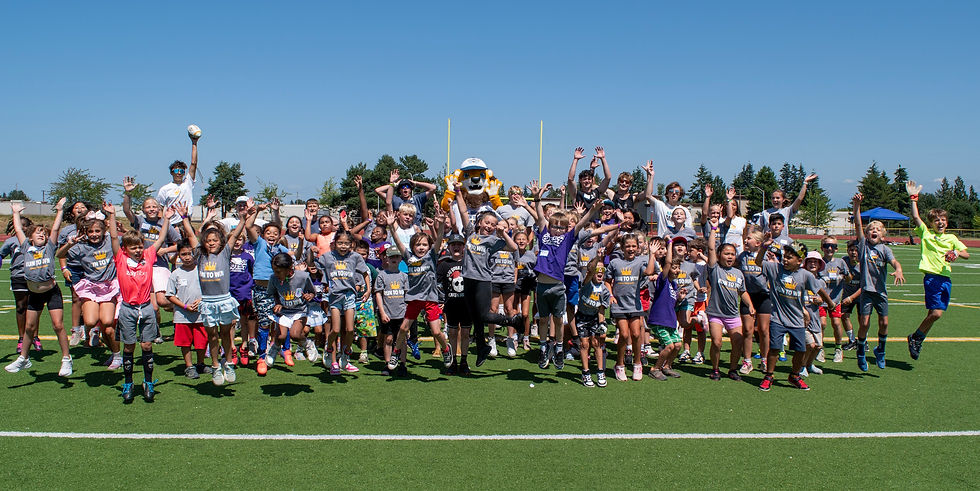
The final whistle is not the end of the impact
Campers gather their things, say goodbye to coaches, wave to new friends, and carry the day home with them.
Parents may notice the obvious signs first. A child is tired. Their water bottle is empty. Their shoes are dusty. Their face is bright from a day spent moving and playing.
But the deeper impact may show up later.
It might show up when a child keeps practicing in the driveway. It might show up when they encourage a sibling instead of criticizing them. It might show up when they talk about something a coach said during Team Time. It might show up when they ask if they can go back tomorrow.
That is the lasting value of a thoughtful summer sports camp. The day has a beginning and an end, but the lessons stay with the camper.
Run To Win Camp is built around that bigger picture. Sports create the setting. Coaches create the welcome. Drills and games create the challenge. Team Time creates space for reflection and faith. Together, those moments help campers grow in confidence, character, friendship, and joy.
A great camp day does not need to be perfect. Kids may miss shots, lose games, feel nervous, or get tired. What matters is that they are guided through those moments with care.
When campers feel safe, supported, and encouraged, they can do more than play. They can grow. They can connect. They can discover courage. And when they leave at the end of the day, they carry home much more than a camp schedule. They carry memories, friendships, and lessons that last beyond the final whistle.


Comments